Discover The Secrets To Improve Your Spirituality and Manifestation.
Latest Promotion

Latest Posts
September 21, 2026
OFFICIAL

Spiritual Reasons You Don’t Have Many Friends (It’s Not What You Think)
THANK YOU FOR WATCHING! Thank you so much for watching and being part of this ministry. I pray this message […]
September 20, 2026
OFFICIAL

基督教會歌曲《新時代的誡命》【詩歌MV】
基督教會歌曲《新時代的誡命》【詩歌MV】 1 雖然現在不是律法時代,但許多類似律法時代的話該守住,不是只靠聖靈感動而做,而是人該守的。不可論斷實際神作的工;不可抵擋神所見證的人;在神的面前安分守己不可放蕩;説話應有分寸,行事説話必須隨從神所見證的人的安排;當敬畏神的見證,不可忽視神的作工與神口中的説話;不可模仿神的説話口氣、説話目的;外表不可做明顯抵擋神見證之人的事。 2 今天人該守的最關鍵的就是:不得欺哄隱瞞你眼前站立的神;不得在你面前的神前説淫詞妄語;不得花言巧語騙取你眼前之神的信任;不得在神面前指手畫脚,當順服一切神口説出的話,不得反抗抵擋,也不可辯駁;不可隨意解釋神口所説的話,當警戒你的口舌,免得因你的口舌中了惡人的詭計;當警戒你的脚步,免得越過神給你劃分的地界,使你站在神的角度上説狂妄的話,因此而被神厭憎。 3 不可隨意傳説神口所説的話,免得讓人嗤笑你,讓魔鬼捉弄;對今天神的所有作工都得順服,即使不明白也不得論斷,只能尋求交通;任何人不可越過神的原有地位,只能站在人的角度上事奉今天的神,不能站在人的角度教導今天的神,這是錯誤的做法;神所見證的人的地位誰也不許站,説話、行事、心思意念都站在人的位置上,這是人當守的,是人的職責,誰也不可更改,這是觸犯行政的事,是每個人都該記住的。 ——《話・卷一 神的顯現與作工・新時代的誡命》
September 18, 2026
OFFICIAL

Life Is Spiritual Presents: An Announcement for Our Family in South Africa
Please pray for the trip to South Africa. The South African high Commission is processing Erica’s Visa but it is […]
September 16, 2026
OFFICIAL
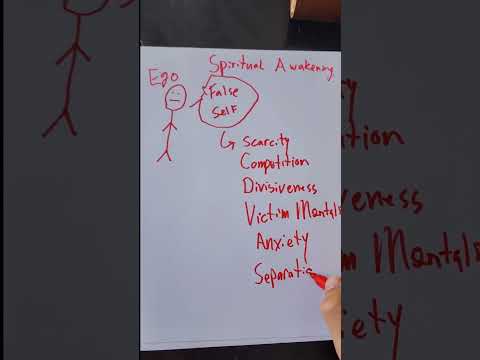
Spiritual Awakening Explained in 60 Sec
✨Subscribe for all things Spiritual Awakening @LightWays https://www.youtube.com/channel/UCxvgkW9d1lCrG6EMGMUpnyg?sub_confirmation=1 Spiritual awakening explained in 60 seconds. In this YouTube shorts by Light […]
September 16, 2026
OFFICIAL

Caí en la NEW AGE y Jesús me salvó de ahí
Creí que estaba encontrando “luz”, sanación y respuestas… pero terminé más vacía, confundida y lejos de Dios. En este video […]

How Spiritually Mature Christians Love Without Being Taken Advantage Of
❤️ Have you ever wondered what it really means to love people God’s way?
Not just being nice.
Not just forgiving everyone.
Not just saying yes whenever someone needs something.
Not just keeping the peace at any cost.
But actually loving people in a way that reflects the heart of Jesus—without becoming bitter, without becoming a people-pleaser, and without confusing love with allowing everything.
What do you do when someone hurts you?
Do you forgive them—but still set a boundary?
What do you do when someone repeatedly takes advantage of your kindness?
Do you keep giving because you’re afraid that saying no makes you selfish?
What do you do when someone you love is making destructive choices?
Do you remain silent to avoid conflict, or do you lovingly tell them the truth?
And what happens when you’ve forgiven someone, but they’ve repeatedly broken your trust?
Does forgiveness mean you have to give them the same access to your life again?
Jesus showed us something completely different.
He loved people deeply, but He didn’t give everyone unlimited access to Him.
He forgave, but He never pretended sin didn’t matter.
He showed compassion, but He also said no.
He confronted people, but He did it without hatred.
He gave generously, but He never became controlled by people’s demands.
And Scripture gives us a powerful definition of love that goes far deeper than simply making people happy.
In Mark 12:31, Jesus said:
“Love your neighbor as yourself.”
So what does loving people God’s way actually look like when relationships become difficult?
How do you love without becoming bitter?
How do you forgive without pretending trust was never broken?
How do you set boundaries without becoming selfish?
How do you tell someone the truth without becoming harsh?
And how do you know when you’re genuinely loving someone versus simply trying to keep them happy?
In this powerful Bible teaching, we’ll uncover the difference between biblical love, people-pleasing, forgiveness, trust, generosity, boundaries, confrontation, and wisdom—and discover what Scripture really teaches about loving people God’s way.
📖 WHAT YOU’LL LEARN IN THIS VIDEO
✔️ What Jesus actually meant by “Love your neighbor as yourself”
✔️ Why biblical love does not mean destroying yourself to make everyone happy
✔️ How to recognize when people-pleasing is disguised as Christian love
✔️ Why generosity doesn’t require you to give what you don’t have
✔️ How Jesus showed that sometimes love requires saying no
✔️ Why someone else’s disappointment with you doesn’t automatically mean you’ve done something wrong
✔️ How to love someone without approving everything they do
✔️ Why biblical love sometimes requires difficult conversations
✔️ What Jesus teaches through the rich young ruler about loving someone enough to tell them the truth
✔️ Why love “rejoices with the truth” rather than protecting people from every uncomfortable reality
✔️ How to confront wrongdoing without becoming harsh, judgmental, or self-righteous
✔️ Why forgiveness and trust are not the same thing
✔️ What David’s relationship with Saul teaches us about forgiveness, wisdom, and boundaries
✔️ How to forgive someone without immediately giving them the same level of access to your life
✔️ Why rebuilding trust may require consistent change over time
✔️ How to recognize the difference between a mistake that was genuinely repented of and a repeated destructive pattern
✔️ Why you can release revenge without abandoning wisdom
✔️ How Jesus Himself demonstrated that perfect love does not require unlimited trust
✔️ Why loving someone does not mean taking responsibility for every choice they make
✔️ How to love people while still protecting the responsibilities God has entrusted to you
✔️ Why biblical love is neither self-destruction nor emotional isolation
✔️ How to balance truth and grace when someone you love is making destructive choices
✝️ KEY BIBLE VERSES COVERED
📖 Mark 12:31 — “Love your neighbor as yourself”
📖 2 Corinthians 8:12–13 — Giving according to what you have, not what you do not have
📖 Mark 1:35–38 — Jesus withdraws to pray instead of responding to every demand
📖 1 Timothy 5:8 — Responsibility toward your own household
📖 John 6:15 — Jesus withdraws when the crowd wants to make Him king
📖 Mark 10:17–22 — Jesus loves the rich young ruler and tells him the truth
📖 1 Corinthians 13:6 — Love does not rejoice in wrongdoing but rejoices with the truth
📖 Galatians 6:1 — Restoring someone gently when they fall into wrongdoing
📖 1 Samuel 18 — Saul’s hostility toward David
📖 1 Samuel 24 — David spares Saul and refuses revenge
📖 Romans 12:18 — Living peaceably with others as far as it depends on you
📖 John 2:24 — Jesus did not entrust Himself to everyone
📖 Matthew 18:21–22 — Jesus teaches radical forgiveness
📖 1 Corinthians 13:5 — Love keeps no record of wrongs
Share on
Everything Happens for a Reason | Buddhist Wisdom for Life
In this philosophical and educational essay, we explore the concept of Anicca, or impermanence, and the law of karma.
Far from modern self-help, we examine how ancient Buddhist psychology understands the idea that “everything happens for a reason” through the natural principles of cause and effect.
Throughout this video, we explore several fundamental Buddhist and Eastern philosophical teachings, including:
Anicca (Impermanence): Buddhist teachings on the constant transformation of reality and the changing nature of all things.
The Law of Karma: An ancient Eastern philosophy of cause, effect, and personal responsibility.
The Zen Farmer Parable: A traditional Zen/Taoist story that illustrates the wisdom of accepting events without immediately judging them as good or bad: “Who knows what is good or bad?”
Mindfulness Practices: Traditional Buddhist teachings on anchoring the mind in the present moment as a way to reduce suffering.
Have you ever wondered why things happen the way they do?
In this video, we explore the wisdom of Buddhism and its teachings on the causes and conditions behind what happens in our lives.
Through concepts such as impermanence, karma, attachment, and mindfulness, you will discover ways to find peace even during the most difficult moments.
You will learn how to let go of attachment, accept change, and transform the mind in order to live with greater clarity and balance.
Each chapter takes you deeper into Buddhist philosophy, revealing hidden lessons within adversity and showing how mindfulness can help us live in the present with greater calm and awareness.
Research & Philosophical References:
Primary Texts:
Insights based on the Pali Canon, specifically the Samyutta Nikaya (Discourses on Impermanence) and the Dhammapada (Verses on Ethics and Intentionality).
Historical Context: The Zen Farmer parable explored is rooted in the Huainanzi, representing the intersection of Taoist and Buddhist thought on non-judgment.
Philosophical Framework: This essay utilizes the framework of Dependent Origination to explain why events are never isolated, but part of a complex web of causes and conditions.
Chapters
00:00 – EVERYTHING HAPPENS FOR A REASON: Buddhist Wisdom for Life
00:27 – The Law of Impermanence (Anicca): Understanding Constant Change
02:10 – Cause and Effect: Karma-Vipaka in Everyday Life
08:37 – Attachment (Upādāna) and Suffering: Learning to Let Go
11:01 – The Wisdom of Acceptance: Flowing with the Dharma
17:26 – Hidden Lessons: Finding Meaning through Pratītyasamutpāda
23:08 – The Practice of Sati: Mindfulness and Living in the Present
29:08 – Transforming the Mind: From Dukkha to Enlightenment
Disclaimer
This channel’s content is intended for educational and entertainment purposes only. The teachings and reflections shared in this video are not a substitute for professional or medical advice.
If you are experiencing a serious personal or emotional difficulty, we encourage you to seek support from a qualified professional.
#BuddhistWisdom #Mysticism #Buddhism